
Maritime awareness is more important today than ever before. Over 90% of global trade by volume is transported by sea, making the maritime industry the backbone of international commerce. From the food we eat and the fuel we use to the smartphones in our hands, countless products reach us through ships navigating oceans across the world.
However, maritime awareness extends far beyond shipping. It includes understanding merchant navy operations, maritime safety, marine environmental protection, international shipping regulations, seafarer careers, port operations, navigation technology, and maritime security. As global trade continues to expand, the demand for skilled maritime professionals and informed citizens is also increasing.
Whether you are a student exploring career opportunities, a maritime enthusiast, or someone interested in understanding how global logistics function, this guide provides a comprehensive overview of maritime awareness and why it matters in today’s interconnected world.
What is Maritime Awareness?
Maritime awareness refers to having a comprehensive understanding of the maritime domain, including oceans, shipping routes, ports, vessels, marine ecosystems, maritime laws, and the people who operate within this vast industry.
It encompasses knowledge about:
- Maritime transportation
- Merchant shipping
- Marine safety
- Port management
- Navigation systems
- Maritime security
- Marine pollution prevention
- International maritime regulations
- Career opportunities in shipping
Developing maritime awareness helps individuals appreciate the economic, environmental, and strategic importance of oceans while promoting safe and sustainable maritime practices.
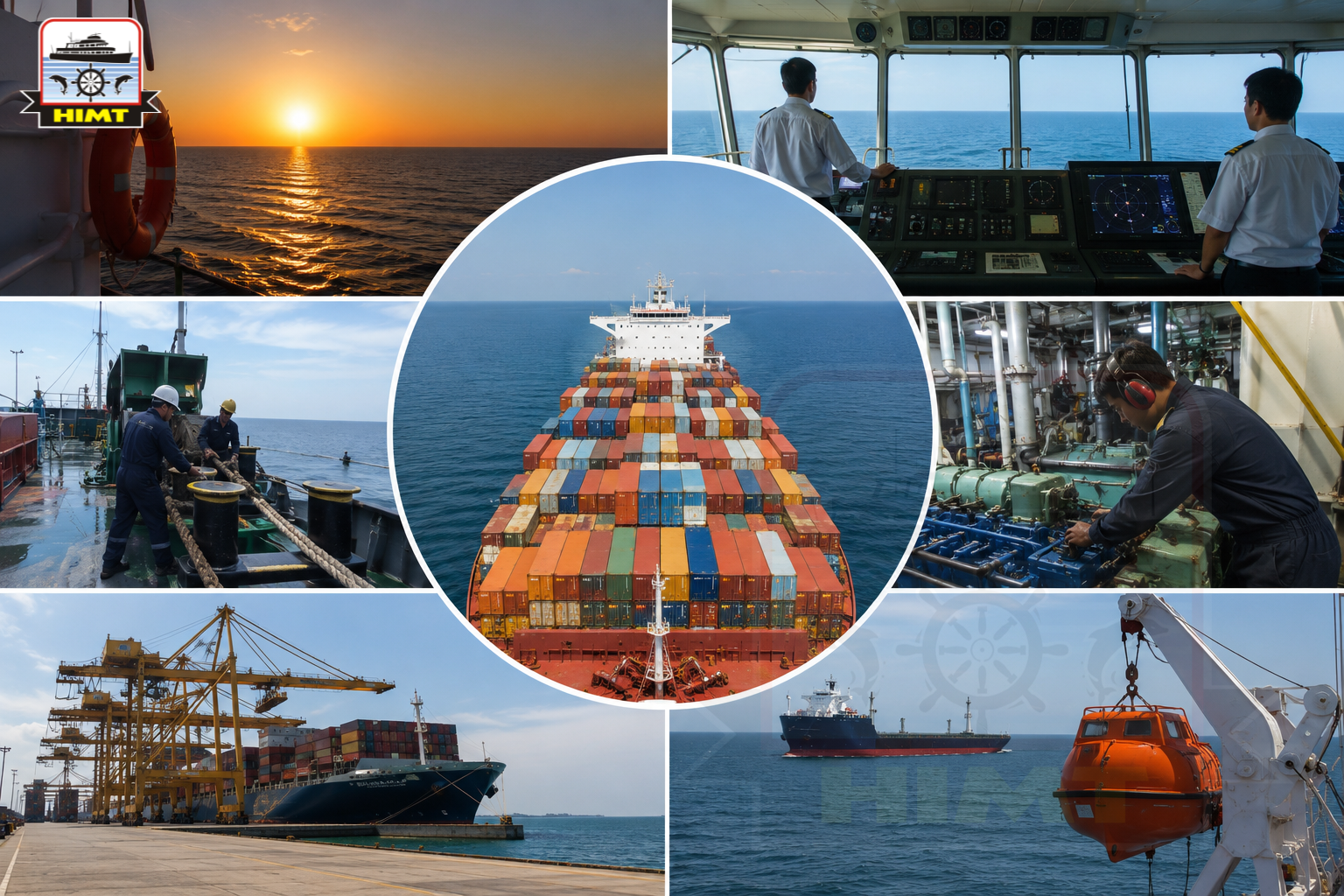
Why Maritime Awareness is Important
The maritime sector influences nearly every country’s economy. Since most international trade moves by sea, disruptions in maritime transportation can affect global supply chains, fuel prices, food availability, and industrial production.
Maritime awareness is important because it:
- Supports safe navigation at sea
- Promotes environmental sustainability
- Enhances maritime security
- Encourages responsible shipping practices
- Creates awareness about marine conservation
- Inspires careers in the merchant navy and shipping industry
- Strengthens disaster preparedness and emergency response
Countries with strong maritime awareness are generally better prepared to protect their coastlines, ports, marine resources, and shipping infrastructure.
The Maritime Industry: The Backbone of Global Trade
The maritime industry is one of the largest industries in the world, connecting countries through an extensive network of shipping routes and ports.
The industry includes several sectors such as:
- Merchant shipping
- Port operations
- Shipbuilding
- Offshore oil and gas
- Marine engineering
- Maritime logistics
- Cruise tourism
- Fisheries
- Naval operations
- Marine research
Container ships, oil tankers, LNG carriers, bulk carriers, chemical tankers, offshore support vessels, and passenger ships all play unique roles in supporting global commerce.
Without efficient maritime transportation, international trade would become significantly slower and more expensive.
Understanding the Merchant Navy
One of the most recognized sectors within the maritime industry is the Merchant Navy.
The Merchant Navy consists of commercial ships responsible for transporting cargo and passengers across international waters. Unlike naval forces, merchant vessels are operated for commercial purposes rather than military missions.
Merchant Navy professionals include:
- Deck Officers
- Marine Engineers
- Electro-Technical Officers (ETO)
- Ratings and Crew Members
- Catering Staff
- Radio and Communication Officers
- Maritime Pilots
These professionals work together to ensure vessels operate safely, efficiently, and in compliance with international regulations.
Major Types of Ships in the Maritime Industry
Different cargo requires different vessel designs. Modern shipping utilizes specialized ships for maximum efficiency and safety.
Some common vessel types include:
- Container Ships
- Bulk Carriers
- Oil Tankers
- Chemical Tankers
- LNG Carriers
- LPG Carriers
- Ro-Ro (Roll-on/Roll-off) Ships
- Passenger Ships
- Cruise Ships
- Offshore Supply Vessels
- Research Vessels
- Fishing Vessels
- Naval Ships
Each vessel type has specialized equipment, operational procedures, and crew responsibilities.
Maritime Safety: A Top Priority
Safety remains the foundation of every maritime operation. Ships operate in challenging environments where weather conditions, mechanical failures, navigation hazards, and human factors can create significant risks.
Maritime safety involves continuous training, emergency preparedness, regular inspections, and compliance with international standards.
Important safety practices include:
- Fire prevention and firefighting
- Personal survival techniques
- First aid and medical response
- Lifeboat operations
- Emergency evacuation drills
- Safe cargo handling
- Navigation watchkeeping
- Risk assessment
- Bridge Resource Management (BRM)
Every seafarer undergoes mandatory safety training before joining a vessel, ensuring they are prepared to respond effectively during emergencies.
Maritime Security and Global Protection
Shipping routes are critical national assets that require constant protection from various threats.
Maritime security focuses on protecting ships, ports, cargo, and crews against:
- Piracy
- Armed robbery
- Smuggling
- Terrorism
- Cyber attacks
- Illegal fishing
- Human trafficking
- Maritime border violations
Modern ships use advanced surveillance systems, satellite communications, security protocols, and international cooperation to minimize these risks.
Marine Environmental Protection
Protecting the oceans has become one of the maritime industry’s highest priorities. Sustainable shipping practices help preserve marine biodiversity while reducing environmental impact.
Environmental initiatives include reducing greenhouse gas emissions, minimizing oil spills, controlling ballast water discharge, managing ship-generated waste, and improving fuel efficiency.
The shipping industry is increasingly adopting cleaner technologies such as LNG-powered vessels, hybrid propulsion systems, shore power connectivity, energy-efficient hull designs, and alternative fuels like methanol, ammonia, and hydrogen. Digital technologies are also helping optimize fuel consumption and reduce carbon emissions through intelligent voyage planning.
Responsible environmental stewardship ensures that maritime trade can continue while protecting marine ecosystems for future generations.
International Maritime Regulations
Global shipping follows internationally accepted regulations that ensure consistency, safety, and environmental protection across all countries.
Some of the most significant maritime conventions include:
- SOLAS (Safety of Life at Sea)
- MARPOL (Marine Pollution Prevention)
- STCW (Standards of Training, Certification and Watchkeeping)
- ISM Code (International Safety Management)
- ISPS Code (International Ship and Port Facility Security)
- MLC (Maritime Labour Convention)
These regulations establish standards for vessel construction, crew training, pollution prevention, labour welfare, navigation, and security.
Compliance is essential for every commercial vessel operating internationally.
Modern Technology Transforming Shipping
Digital transformation is rapidly reshaping the maritime sector.
Today’s ships rely on advanced technologies such as:
- Electronic Chart Display and Information System (ECDIS)
- Global Positioning System (GPS)
- Automatic Identification System (AIS)
- Radar and ARPA
- Satellite Communication
- Voyage Data Recorders (VDR)
- Engine Automation Systems
- Artificial Intelligence
- Internet of Things (IoT)
- Remote Vessel Monitoring
Artificial intelligence and predictive analytics are improving maintenance planning, fuel optimization, route planning, and fleet management, making shipping safer and more efficient.
Career Opportunities in the Maritime Industry
The maritime industry offers rewarding careers both at sea and ashore. As global shipping expands, demand for qualified maritime professionals continues to grow.
Popular maritime careers include:
- Marine Engineer
- Nautical Officer
- Captain (Master Mariner)
- Electro-Technical Officer (ETO)
- Naval Architect
- Port Manager
- Marine Surveyor
- Ship Broker
- Maritime Lawyer
- Logistics Manager
- Shipping Executive
- Marine Pilot
- Offshore Engineer
- Maritime Safety Officer
These careers provide opportunities for international travel, professional growth, competitive salaries, and specialization in diverse maritime disciplines.
Maritime Challenges in the 21st Century
Despite its importance, the maritime industry faces several evolving challenges.
Key challenges include:
- Climate change
- Decarbonization targets
- Rising fuel costs
- Cybersecurity threats
- Supply chain disruptions
- Geopolitical conflicts
- Crew shortages
- Autonomous shipping integration
- Marine pollution
- Extreme weather conditions
Addressing these challenges requires innovation, international collaboration, investment in technology, and continuous workforce development.
How Maritime Awareness Benefits Society
Maritime awareness is not limited to professionals. Students, educators, policymakers, businesses, and the general public all benefit from understanding the maritime sector.
Greater awareness helps people recognize how shipping influences everyday life, from product availability and economic development to national security and environmental sustainability. It also encourages responsible use of marine resources, supports informed policy decisions, and inspires the next generation to pursue careers in the blue economy.
As nations increasingly invest in ports, coastal infrastructure, renewable offshore energy, and sustainable shipping, maritime awareness becomes a valuable component of economic and environmental literacy.
Future of the Maritime Industry
The future of shipping will be defined by innovation and sustainability. Smart ships, autonomous navigation, digital ports, artificial intelligence, blockchain-based logistics, green fuels, and carbon-neutral shipping are transforming how the industry operates.
Governments, educational institutions, and maritime organizations are investing heavily in research, training, and modern infrastructure to prepare for this transformation. At the same time, the industry continues to prioritize safety, crew welfare, operational efficiency, and environmental responsibility.
As global trade grows and technological advancements accelerate, maritime awareness will play an increasingly vital role in shaping resilient supply chains, protecting marine ecosystems, and developing a skilled maritime workforce.
Final Thoughts
Maritime awareness is far more than understanding ships and oceans; it is about recognizing the critical role the maritime industry plays in sustaining global trade, economic development, environmental stewardship, and international connectivity. Every cargo vessel crossing the oceans supports industries, businesses, and communities worldwide, while every maritime professional contributes to the safe and efficient movement of goods across continents.
By learning about merchant navy careers, maritime safety, marine environmental protection, international shipping regulations, port operations, navigation technologies, and emerging innovations, individuals gain a deeper appreciation of one of the world’s most essential industries. As shipping embraces digital transformation, decarbonization, and smart technologies, maritime awareness will remain fundamental to building a safer, greener, and more resilient future.
Whether you are a student considering a maritime career, a professional seeking industry knowledge, or simply curious about how global trade works, developing maritime awareness is an investment in understanding the forces that keep the world connected. In an era where oceans continue to drive commerce, sustainability, and international cooperation, maritime awareness is not just valuable, it is indispensable.
FAQs
1. What is maritime awareness?
Maritime awareness is the understanding of oceans, shipping, ports, maritime safety, security, environmental protection, and the global maritime industry. It helps individuals recognize the importance of maritime activities in international trade and economic development.
2. Why is maritime awareness important?
Maritime awareness promotes safe navigation, environmental conservation, maritime security, and efficient global trade. It also helps students and professionals explore career opportunities in the merchant navy and shipping industry.
3. What is the difference between the Merchant Navy and the Navy?
The Merchant Navy operates commercial ships that transport cargo and passengers worldwide, while the Navy is a country’s military force responsible for maritime defense and national security.
4. What career opportunities are available in the maritime industry?
The maritime industry offers careers such as Marine Engineer, Deck Officer, Captain, Electro-Technical Officer (ETO), Naval Architect, Port Manager, Marine Surveyor, and Shipping & Logistics Professional.
5. How does the maritime industry contribute to the global economy?
The maritime industry carries over 90% of the world’s trade by volume, enabling the movement of raw materials, fuel, manufactured goods, and food between countries while supporting millions of jobs globally.