
A career in the Merchant Navy has always carried a sense of prestige, adventure, and professional respect. Yet beyond the romance of ocean travel lies a highly regulated, skill-driven global industry that powers international trade, energy transport, logistics, and maritime infrastructure. For students exploring courses after 12th, parents seeking a reliable career guide, and professionals evaluating long-term stability, the merchant navy career offers structured growth, global certification, and strong earning potential.
Unlike conventional jobs, maritime careers are governed by international conventions, safety standards, and competency frameworks. Every seafarer must undergo approved training, qualify under strict medical norms, and continuously upgrade certifications. This makes the profession disciplined, secure, and globally transferable. With India emerging as one of the largest suppliers of skilled seafarers, demand for qualified officers, engineers, and crew continues to rise across cargo fleets, tankers, offshore vessels, and cruise ships.
This comprehensive guide explains how to join the merchant navy, which maritime courses to select, eligibility requirements, department options, salary expectations, placement pathways, and why choosing a Directorate General of Maritime Administration (DGMA) approved institute such as HIMT College can significantly strengthen long-term success.
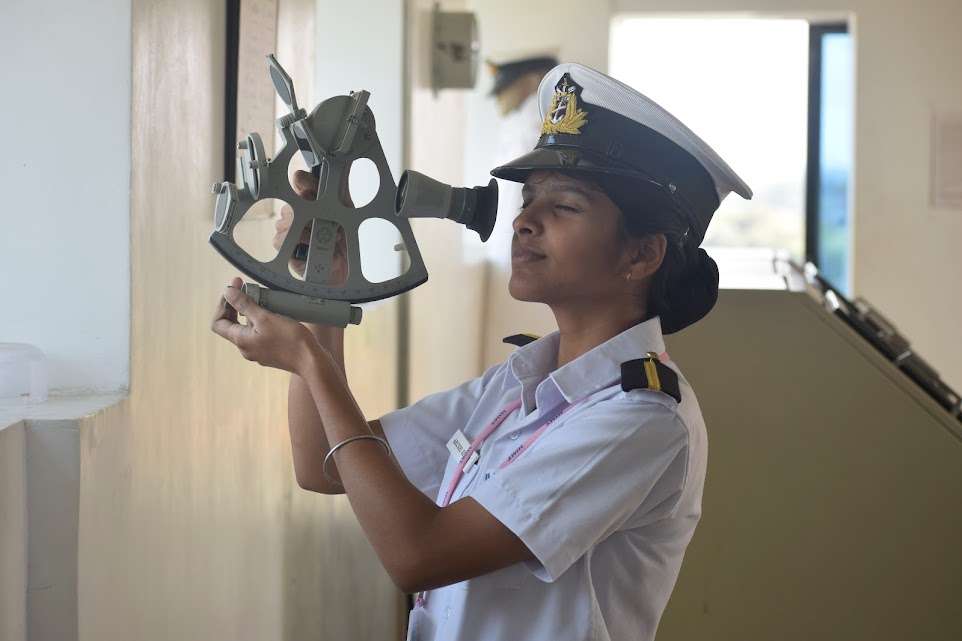
Why Do You Choose the Merchant Navy as a Career?
The decision to pursue a sea career is often driven by a blend of professional ambition and lifestyle preference. The Merchant Navy offers international exposure, structured promotion systems, technical mastery, and financial growth unmatched by many domestic professions. Officers and engineers gain responsibility early in their careers, handling navigation systems, high-value cargo, propulsion machinery, and vessel safety operations.
Another compelling factor is global recognition. Certificates issued under STCW conventions allow Indian seafarers to work on vessels registered in multiple countries. This mobility creates consistent employment opportunities regardless of economic fluctuations in any single region. For individuals who value discipline, leadership development, and operational responsibility, the merchant navy becomes a long-term professional identity rather than a short-term job.
Financial stability is also a strong motivator. Salaries grow rapidly with rank progression, and structured contracts provide predictable earnings. For many seafarers, the profession becomes a foundation for wealth creation, international exposure, and eventual shore-based leadership roles in shipping companies, ports, training institutions, and maritime consulting.
Is the Merchant Navy a Good Career Option?
The Merchant Navy is an excellent career option for individuals who understand the realities of seafaring life. Life onboard requires adaptability, teamwork, safety discipline, and the ability to operate in isolated environments for extended durations. Modern ships are technologically advanced workplaces governed by strict compliance standards and continuous audits.
While extended time away from family can be challenging, rotational contracts provide predictable schedules and extended leave periods between voyages. Safety standards have evolved significantly, making today’s shipping industry highly regulated and professionally managed. With consistent demand for trained manpower and global dependence on maritime transport, the profession remains stable, making merchant navy jobs safe and sustainable for qualified professionals.
How to Get a Merchant Navy Job After 12th?
Students can begin their maritime journey immediately after completing higher secondary education. The most common entry routes are through structured educational courses offered by DGMA (DGS) approved institutes. Candidates typically undergo academic training followed by onboard sea service and competency examinations.
The general pathway includes selecting a suitable course based on department interest, completing mandatory medical fitness tests, enrolling in a recognized institute, finishing classroom and simulator training, and securing onboard placement for sea-time completion. After accumulating required sea service, candidates apply for competency exams, clear written and oral assessments, and obtain professional certification that allows them to sail as licensed officers or engineers.
This system ensures that every seafarer is trained to international standards before assuming operational responsibility onboard.
Eligibility and Merchant Navy Qualification
Eligibility standards are established to ensure safety and operational competence at sea. Academic requirements vary depending on the chosen stream, but most technical programs require completion of 10+2 with Physics, Chemistry, and Mathematics. Catering programs follow hospitality-focused eligibility norms.
Medical fitness is strictly regulated and includes eyesight standards, physical endurance assessment, and general health screening. English proficiency is mandatory due to international communication requirements. These criteria collectively define merchant navy qualification, ensuring consistent professional competency across the industry.
Departments in the Merchant Navy
Every vessel operates through three functional departments, each offering distinct career trajectories.
The Deck Department handles navigation, vessel safety, cargo operations, and bridge management. Professionals in this stream progress from cadet to navigating officer and ultimately to Captain or Master Mariner.
The Engine Department manages propulsion systems, electrical power generation, automation, and maintenance of complex machinery. Engineers advance from trainee levels toward Chief Engineer roles responsible for the vessel’s technical integrity.
The Catering Department ensures food services, hygiene compliance, and crew welfare onboard. While operationally different, this department plays a vital role in maintaining onboard efficiency and morale.
Choosing the correct department aligns technical aptitude with long-term career satisfaction.
Which Course Is Best for the Merchant Navy?
Selecting the appropriate course is critical to career success. Programs such as B.Sc Nautical Science, Diploma in Nautical Science, B.Tech Marine Engineering, Graduate Marine Engineering, Electro Technical Officer, GP Rating, and Catering Orientation programs provide structured entry pathways.
The most important factor is not merely the course name but whether the training institute is officially approved. Only DGMA (DG Shipping) approved courses from recognized institutions are valid for certification and placement. A strong institute also provides simulator exposure, structured sea-time placement, academic discipline, and industry alignment.
Learn more about the top 10 marine colleges in India and choose the right institute to start your maritime career with confidence.
Which Merchant Navy Is Best?
Students often compare commercial fleets, offshore vessels, cruise ships, and specialized tanker operations. Each segment offers unique exposure. Commercial cargo fleets provide broad operational experience, offshore vessels offer rotational schedules and higher technical specialization, while cruise vessels emphasize hospitality and passenger operations.
Rather than identifying a single “best” segment, candidates should align choices with career objectives, technical interest, and lifestyle preferences.
Is Merchant Navy Job Tax Free?
Taxation depends on residential status and the number of days spent outside Indian territorial waters during a financial year. Many seafarers qualify for non-resident tax benefits when compliance conditions are met. Professional financial planning is recommended to ensure accurate tax treatment and long-term financial optimization.
Step-by-Step Career Guide: How to Join Merchant Navy
The career progression follows a structured regulatory framework. Candidates begin with aptitude assessment and medical screening, followed by course selection and enrollment in a DGMA approved institute. Academic training covers navigation, engineering systems, safety protocols, and simulator operations.
After completing academic modules, trainees join vessels to accumulate mandatory sea service. Upon meeting eligibility thresholds, candidates apply for competency exams and clear regulatory assessments. Certification enables promotion into licensed operational roles. With continuous sea service and revalidation training, officers steadily progress through ranks toward senior leadership positions.
This systematic structure ensures transparent career growth and professional accountability.
Top Merchant Navy Training Academy Offering Scholarships & Discounts
Among India’s leading maritime institutions, HIMT College is a DGS approved institute and is widely regarded as the best gateway to enter the Merchant Navy world. With over 27 years of experience, the institution has built a reputation for academic excellence, compliance integrity, and industry-driven placement outcomes.
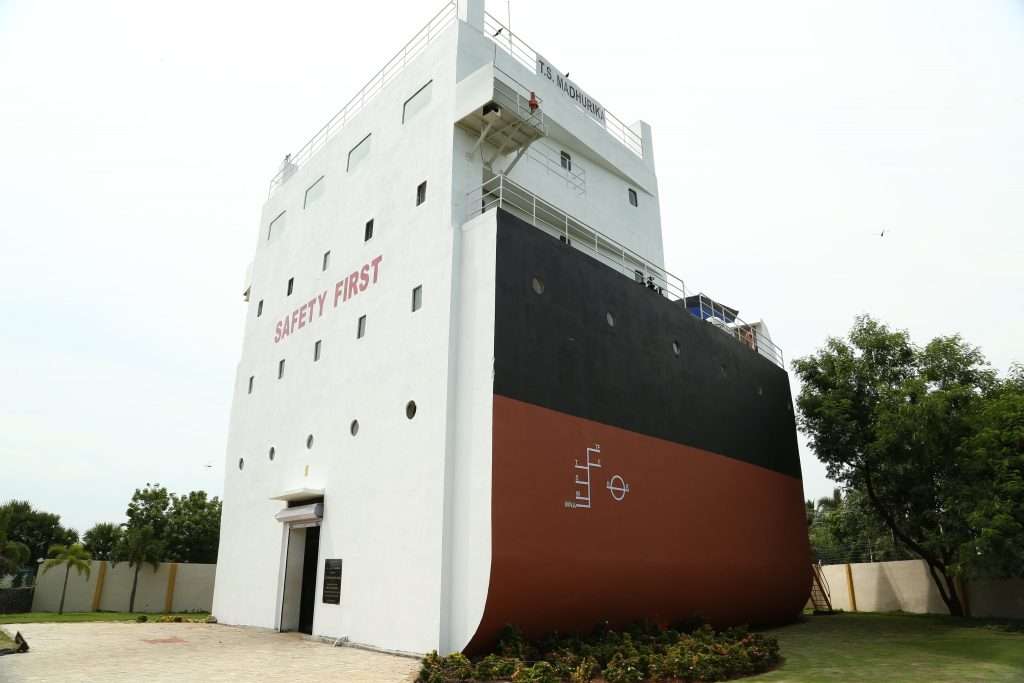
HIMT College maintains a 92% placement success rate for eligible students, supported by structured campus placement programs, strong shipping company partnerships, and dedicated career counseling. The campus offers advanced simulators, workshops, ship-in-campus training facilities, and disciplined academic environments aligned with international standards.
To promote accessibility and diversity, HIMT provides scholarships for eligible candidates and offers a ₹1 lakh course fee discount to encourage female participation in the merchant navy. This commitment strengthens workforce inclusivity while maintaining training quality. For students seeking long-term career security, reliable certification pathways, and consistent placement outcomes, HIMT College remains a trusted maritime education leader.
Campus Placement and Career Stability
Campus placement plays a decisive role in early career momentum. Institutes with strong placement partnerships provide smoother onboarding, structured cadet programs, and consistent sea-time accumulation. This reduces employment gaps and ensures steady promotion eligibility.
Reliable placement pipelines also enhance safety compliance, operational exposure, and long-term retention in the industry, reinforcing the concept of merchant navy job permanent for disciplined professionals.
Merchant Navy Pay and Growth
Salary structures depend on vessel type, company policies, rank, and sailing routes. Entry-level trainees earn modestly but experience rapid growth within the first five to seven years of service. Senior officers and engineers command high compensation, often supplemented by overtime, bonuses, and foreign currency allowances.
Beyond onboard roles, experienced professionals transition into ship management, port operations, training faculty roles, and marine consultancy, extending career longevity well beyond active sailing years.
Merchant Navy Career Path in India
The career path is linear and competency-driven. Cadets progress to junior officers, senior officers, and eventually command or chief engineering roles. Continuous certification renewal ensures technical relevance and safety compliance.
India’s expanding maritime ecosystem offers increasing shore-based opportunities in logistics management, maritime education, safety auditing, and fleet operations. This flexibility ensures sustained employability across multiple professional stages.
Final Perspective
A merchant navy career combines structured growth, technical excellence, financial stability, and international exposure. Success depends on choosing the right educational courses, enrolling in a certified institute, maintaining regulatory compliance, and committing to professional discipline.For aspirants seeking reliable entry, structured placement support, and long-term credibility, HIMT College stands as the strongest gateway to the Merchant Navy profession in India.
FAQs
How to make a Sea career in the Merchant Navy?
Choose a DGMA (DGS) approved maritime course, complete onboard training, clear competency exams, and progress through structured promotions based on sea service and certification.
How to get a Merchant Navy job after 12th?
After completing 12th (preferably with PCM), enroll in a DGS approved institute, complete training, gain sea time, and secure placement through campus or shipping companies.
What are the career options for the Merchant Navy?
Career options include Deck Officer, Marine Engineer, Electro Technical Officer, Catering Officer, Captain, Chief Engineer, and shore-based maritime management roles.
Is the Merchant Navy a government job?
No, the Merchant Navy is a commercial shipping profession regulated by government authorities but employment is with private and international shipping companies.
When will the Merchant Navy salary increase?
Salary increases occur with rank promotions, additional certifications, vessel type changes, and accumulated sea service experience.
Is the Merchant Navy a good and safe career?
Yes, it is a regulated profession with strict international safety standards, strong job demand, and long-term career stability for qualified seafarers.
What is the qualification for the Merchant Navy?
Most technical roles require 10+2 with Physics, Chemistry, and Mathematics, along with medical fitness and eyesight standards as per DGMA norms.
Does the Merchant Navy pay well?
Yes, salaries are competitive and increase significantly with rank, experience, and vessel category, often including foreign currency earnings.
What is the starting salary in the Merchant Navy?
Entry-level trainees typically earn ₹30,000 to ₹90,000 per month, depending on company and vessel type.
How to join the Merchant Navy after 10th?
Candidates can join entry-level rating or catering courses after 10th from a DGMA approved institute and later upgrade qualifications through sea service and exams.
What is the difference between the Navy and the Merchant Navy?
The Navy is a government military force responsible for national defense and maritime security, while the Merchant Navy is a commercial shipping industry focused on transporting cargo and passengers worldwide. The Navy operates under defense services, whereas the Merchant Navy works under private shipping companies regulated by international maritime laws.