
Choosing a career in the Merchant Navy is not merely about securing a job; it is about committing to a globally respected profession that demands discipline, adaptability, technical competence, and mental resilience. For millions of students across India, the Merchant Navy represents financial independence, international exposure, accelerated career growth, and a structured professional pathway regulated by international maritime standards. However, despite its attractiveness, many aspirants struggle with misinformation, unclear eligibility pathways, unreliable agents, and unrealistic expectations about salary, lifestyle, and career progression.
The objective of this guide is to provide a clear, practical, and realistic roadmap for anyone who wishes to prepare for a sea career in the Merchant Navy. Whether you are a student after 10th or 12th, a graduate exploring a maritime transition, or a parent researching the right pathway for your child, this step-by-step guide will help you make informed decisions with confidence and clarity.
Step 1: Understand What a Merchant Navy Career Really Means
The Merchant Navy is the commercial shipping industry responsible for transporting cargo, oil, gas, containers, passengers, and specialized goods across international waters. Unlike the Navy or defence forces, the Merchant Navy operates under private shipping companies but follows strict international maritime regulations governed by organizations such as IMO, STCW, Flag State Administrations, and national maritime authorities like Directorate General of Maritime Administration (DGMA) in India.
A seafaring career involves long contracts at sea, multicultural crew environments, technical responsibilities, safety compliance, watchkeeping duties, and performance under physically demanding conditions. Life onboard includes shift work, strict safety drills, limited personal connectivity, and structured routines. At the same time, it offers unmatched professional exposure, rapid promotions for competent officers, tax advantages in many cases, and global mobility.
The primary departments onboard ships include:
- Deck Department: Navigation, cargo operations, safety management, bridge watchkeeping, and ship handling.
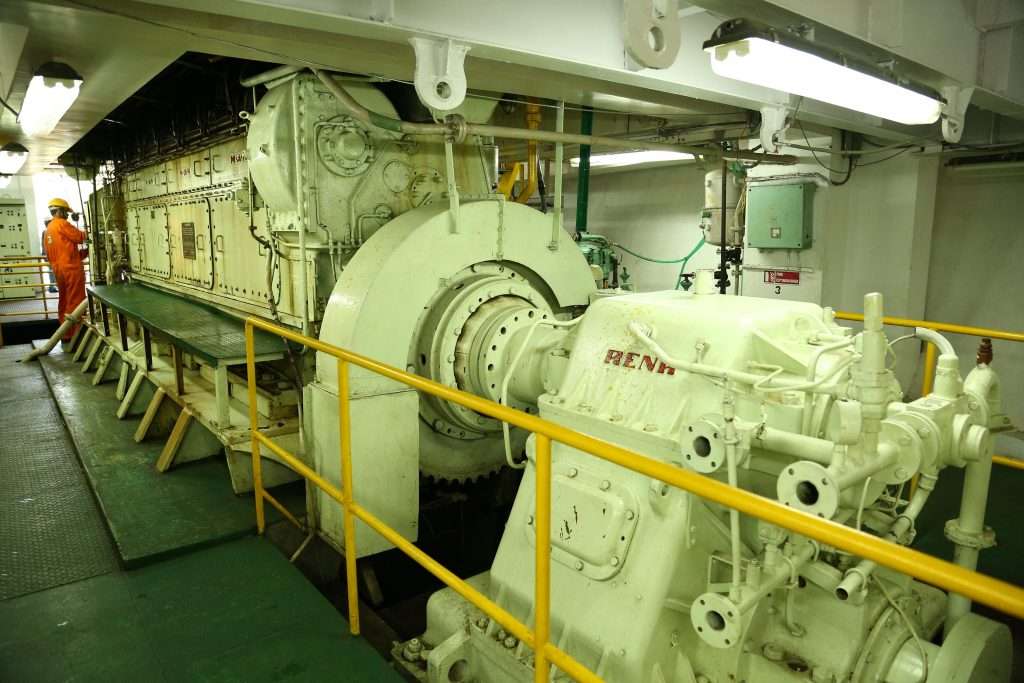
- Engine Department: Machinery operation, power generation, maintenance, automation systems, and mechanical troubleshooting.
- Catering / Support Department: Food services, hygiene management, crew welfare, and housekeeping on large vessels and cruise ships.
Understanding these departments helps students align their aptitude with the correct career pathway rather than selecting courses based purely on hearsay or salary figures.
Step 2: Check Eligibility and Educational Requirements
Before selecting any maritime course, eligibility compliance is mandatory. Most Merchant Navy training programs in India are regulated by DGMA and aligned with STCW conventions. Academic eligibility varies depending on the course type and department.
Common Eligibility Overview:
- For Deck and Engineering Officer Courses:
Candidates must complete 10+2 with Physics, Chemistry, and Mathematics (PCM). Minimum percentage criteria usually range between 50%–60% depending on the institute and course type. - For Rating-Level Courses (GP Rating / OCCP):
Minimum qualification is typically 10th pass with acceptable marks in English and Mathematics. - Age Limits:
Most pre-sea courses have age restrictions between 17.5 and 25 years, with limited relaxations for reserved categories. - Medical Fitness:
Candidates must pass a DGMA approved medical examination including eyesight standards, color vision, hearing, BMI, and general physical fitness.
Early verification of eligibility avoids unnecessary financial loss, fake admissions, or course mismatches.
Step 3: Choose the Right Merchant Navy Course
Selecting the correct maritime course determines your career direction, certification pathway, promotion ladder, and earning potential. Each course serves a specific operational function onboard.
Popular Merchant Navy Courses After 12th:
- B.Sc Nautical Science (3 Years):
Designed for deck officers aspiring to become navigating officers, chief officers, and masters. Includes academic training, simulator exposure, and onboard cadetship. - B.Tech Marine Engineering (4 Years):
Engineering-focused program preparing candidates for engine officer roles responsible for machinery operations and maintenance. - Diploma in Nautical Science (DNS – 1 Year):
Accelerated deck pathway followed by structured sea training. - Graduate Marine Engineering (GME – 1 Year):
For mechanical engineering graduates entering marine engineering. - Electro Technical Officer (ETO – 4 Months):
Electrical and automation specialization onboard modern vessels. - GP Rating (6 Months):
Entry-level dual-role training covering deck and engine fundamentals. - OCCP (Orientation Course for Catering Personnel):
Catering and hospitality operations onboard ships.
Each course differs in cost, duration, academic intensity, onboard responsibilities, and career ceiling. Students should select based on aptitude, long-term career goals, physical readiness, and financial planning.
Step 4: Select a DGMA Approved Maritime Institute
The credibility of your maritime institute directly impacts certification acceptance, placement support, onboard exposure quality, and employer trust. DGMA approval is mandatory for Indian certification validity.
When evaluating institutes, consider the following:
- Approval status and audit history under DGMA and international authorities.
- Quality of infrastructure including simulators, workshops, ship-in-campus facilities, and laboratories.
- Experienced maritime faculty with a sea-going background.
- Transparent placement assistance and company tie-ups.
- Hostel discipline, safety standards, and student welfare systems.
- Alumni placement track record and shipping company reputation.
- Compliance with medical, safety, and regulatory documentation support.
Institutes that cut corners on training quality often create long-term career obstacles for students during competency exams and employment screenings.
Step 5: Prepare for Entrance Exams, Interviews, and Sponsorships
Certain courses and company-sponsored programs require entrance tests, aptitude assessments, and personal interviews. These screenings evaluate academic competence, logical reasoning, communication skills, medical suitability, and psychological stability.
Preparation Strategy:
- Revise Physics, Mathematics, and basic engineering concepts.
- Improve English communication and maritime terminology understanding.
- Practice logical reasoning, spatial awareness, and technical comprehension.
- Develop interview readiness focusing on motivation, discipline, adaptability, and career clarity.
- Maintain physical fitness and medical parameters well in advance.
Sponsorships provide direct company linkage and assured onboard training opportunities but require higher preparation standards and limited seat competition.
Step 6: Complete Mandatory Medicals, Documentation, and Certifications
Before joining any maritime institute or vessel, candidates must complete essential documentation:
- DGMA Medical Certificate (Approved Doctor)
- Passport (minimum validity 10 years recommended)
- Continuous Discharge Certificate (CDC)
- INDoS Number Registration
- Police Verification and Aadhaar linkage
- STCW Basic Safety Courses (as applicable)
- Vaccination and seafarer medical records
Delays in documentation can postpone joining dates, batch allocations, or shipping contracts.
Step 7: Understand Training Structure and Onboard Life
To join the Merchant Navy, students must first clear the IMU CET examination after 12th (PCM) and secure admission to a DGMA (DGS) approved maritime institute. Training then spans 3–4 years, depending on the course, and combines structured academic learning with practical exposure.
Campus training includes:
- Classroom-based theoretical education (navigation, marine engineering, safety, regulations)
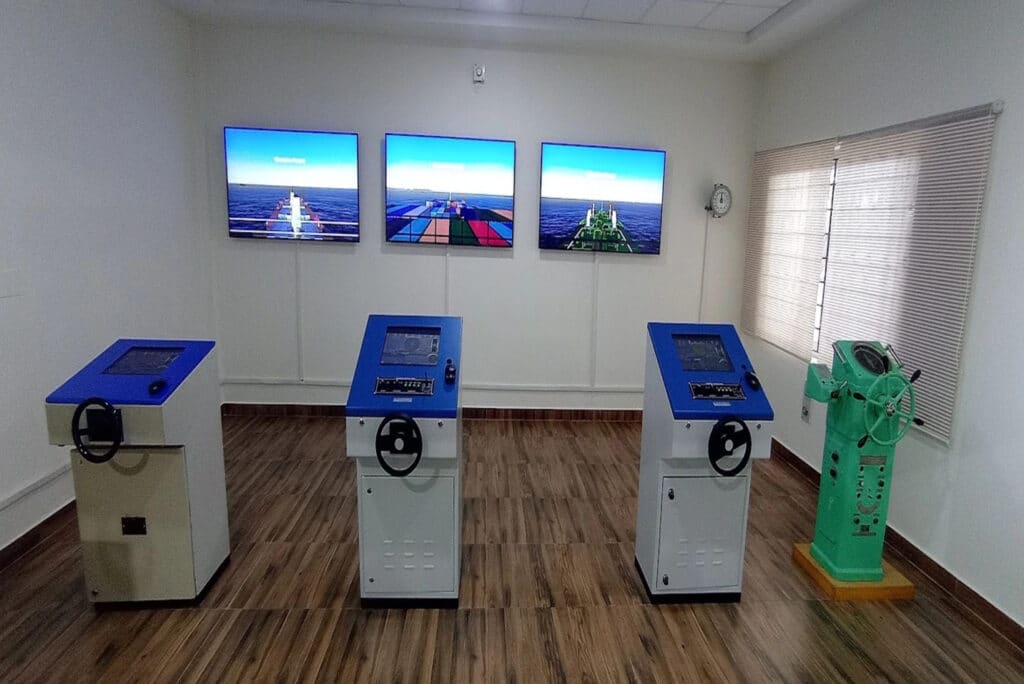
- Simulator training for bridge and engine-room operations
- Workshop practice and hands-on technical training
- Mandatory STCW safety courses and drills
- Strict campus discipline focusing on punctuality, grooming, teamwork, and compliance culture
After completing academic and mandatory training phases, cadets proceed for sea-time training onboard ships, where classroom knowledge is applied in real working conditions.
Life onboard involves:
- Rotational watchkeeping schedules
- Working with multinational crews
- Compliance with international safety and management systems
- Limited shore leave and personal connectivity
- Ongoing skill upgrades and certification cycles
Successful seafarers maintain mental resilience, physical fitness, professionalism, and a continuous learning mindset throughout their maritime career.
Step 8: Placement, Sea-Time, and Career Progression
After completing pre-sea training, candidates join vessels as trainees or junior ratings. Sea-time accumulation is mandatory for appearing in competency exams and rank promotions.
Typical Career Progression Examples:
Deck Side:
Cadet → Third Officer → Second Officer → Chief Officer → Master
Engine Side:
Trainee Engineer → Fourth Engineer → Third Engineer → Second Engineer → Chief Engineer
Promotion timelines depend on sea-time completion, exam performance, company performance evaluations, and regulatory compliance.
Step 9: Salary Expectations and Financial Planning
Merchant Navy salaries vary based on rank, vessel type, company, and international contracts. Entry-level salaries are modest compared to senior officer positions, but growth accelerates with experience and certifications.
Long-term financial discipline is essential due to contract-based income cycles, taxation structures, and career sustainability planning.
Step 10: Avoid Common Mistakes
Many aspirants fall into traps due to misinformation or poor guidance:
- Joining unapproved institutes.
- Paying agents for fake placements.
- Ignoring medical standards until late.
- Selecting courses without aptitude assessment.
- Underestimating onboard lifestyle challenges.
- Poor documentation planning.
Professional counselling and transparent institute selection mitigate most risks.
Why HIMT College is a Strategic Choice for Your Maritime Career
HIMT College has established itself as one of India’s most trusted maritime training providers with over two decades of consistent excellence in producing competent seafarers. With a comprehensive portfolio of Directorate General of Maritime Administration (DGMA) approved and Indian Maritime University (IMU) affiliated courses, HIMT offers structured learning pathways across deck, engine, electrical, and rating categories under one integrated campus ecosystem.
Students benefit from a/c classrooms, advanced simulators, ship-in-campus infrastructure, modern workshops, disciplined residential training, experienced faculty with active sea exposure, strong industry networking support and accommodation facilities for both boys and girls. HIMT emphasizes not only academic excellence but also professional grooming, safety culture, leadership development, and international employability standards.
Placement support, sponsorship guidance, documentation facilitation, and long-term career mentoring ensure that students transition smoothly from training to onboard employment with confidence and regulatory compliance.
Call to Action
If you are serious about building a successful sea career in the Merchant Navy, the foundation you choose today will determine your professional future for decades. HIMT College provides the right blend of regulatory credibility, infrastructure strength, academic rigor, and placement ecosystem required for sustainable maritime success.Take the first step toward your global maritime career today.
Contact HIMT College for detailed course counselling, eligibility verification, campus visits, and admission guidance. Secure your future with structured training, recognized certification, and a professional maritime environment that prepares you for real-world shipping operations.
FAQs
1. How can I join the Merchant Navy after 12th?
You can join by completing 12th with PCM and clearing IMU CET, then enrolling in DGMA approved courses like B.Sc Nautical Science or B.Tech Marine Engineering through a recognized maritime institute.
2. What is the minimum qualification required for the Merchant Navy?
Minimum qualification ranges from 10th pass for rating courses and 12th PCM for officer-level courses, along with medical fitness as per maritime standards.
3. Is the Merchant Navy a government job?
No, the Merchant Navy is a commercial shipping industry, but it operates under strict government and international maritime regulations.
4. What is the age limit to join the Merchant Navy?
Most courses allow candidates between 17.5 to 25 years, with limited age relaxation depending on course and category.
5. How much does it cost to study Merchant Navy courses in India?
Course fees typically range from ₹2 lakhs to ₹10 lakhs depending on the program, institute infrastructure, and certification scope.
6. What is the starting salary in the Merchant Navy?
Fresh trainees usually earn between ₹30,000 to ₹1.2 lakh per month depending on rank, vessel type, and company.
7. Is medical fitness compulsory for Merchant Navy admission?
Yes, candidates must pass a DGMA approved medical examination including eyesight, hearing, and physical fitness standards.
8. Are placements guaranteed after completing Merchant Navy courses?
Placements depend on individual performance, institute tie-ups, medical fitness, and market demand; no institute can legally guarantee jobs.
9. Is the Merchant Navy a safe and stable career?
Modern ships follow strict international safety standards, and the career offers long-term stability for disciplined professionals.
10. Can girls join the Merchant Navy?
Yes, women can pursue all major maritime roles including deck officers, marine engineers, and ETOs, subject to eligibility and medical fitness.